
Therapeutic gardening
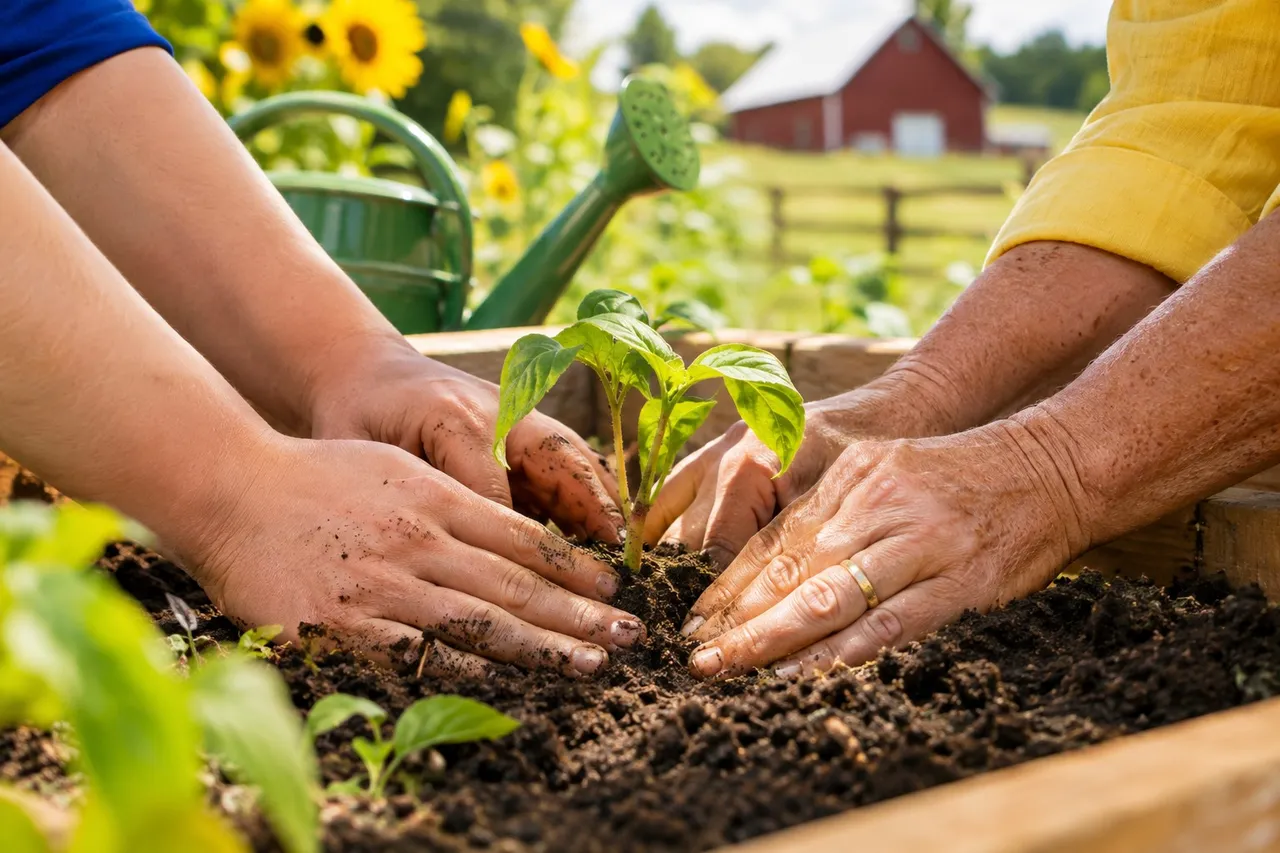
Hands in the soil: planting vegetables like broccoli and carrots. Taking part in caring for the farm gives a clear purpose and a sense of belonging.
 Illustrative image
The sensory farm project
At Starlight Farm and Garden Inc., we are working toward creating a sensory farm where people with autism and their families can connect with nature and community.
 Illustrative image
Interactive · the mission wheel
Choose a part of the wheel. The images show the spirit of the farm we are raising funds to build; they are not a floor plan.
Hands in the soil: planting vegetables like broccoli and carrots. Taking part in caring for the farm gives a clear purpose and a sense of belonging.
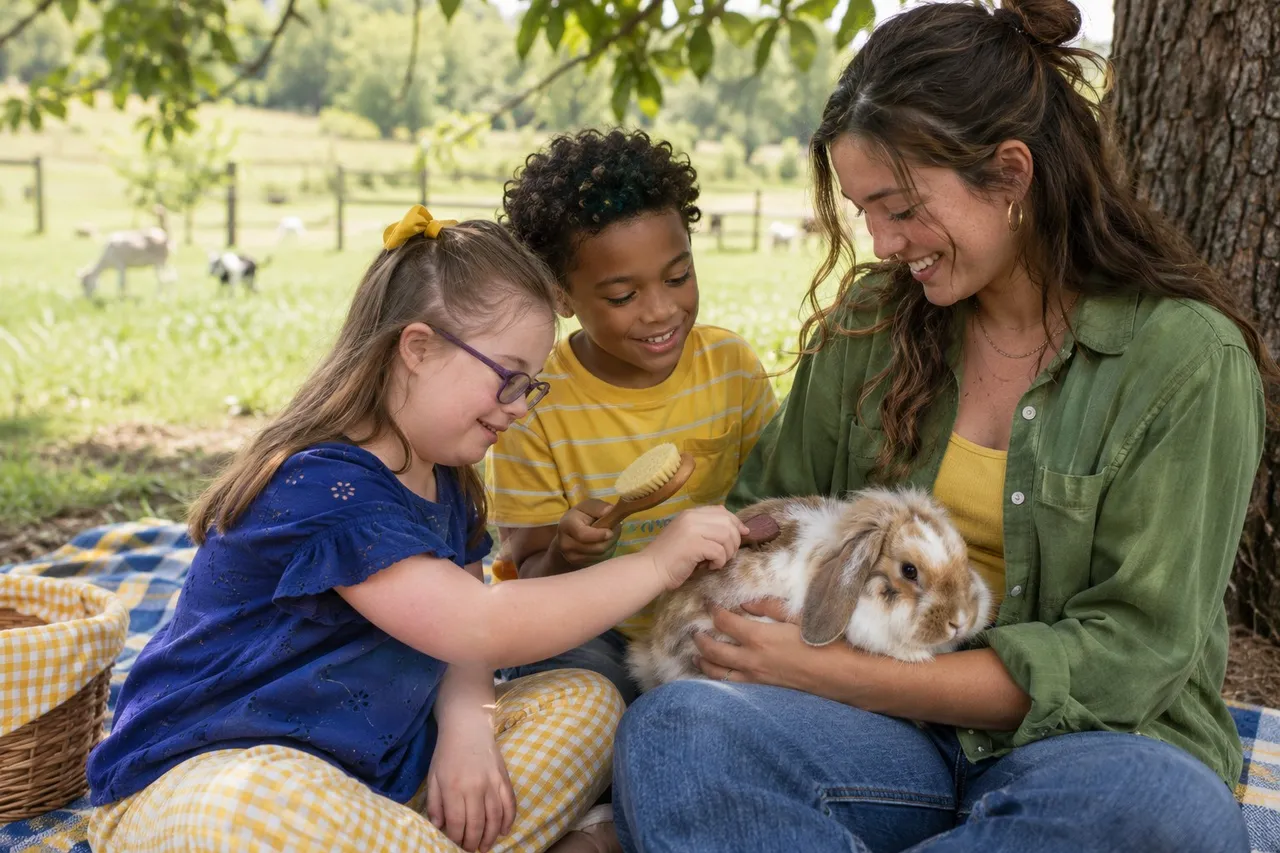
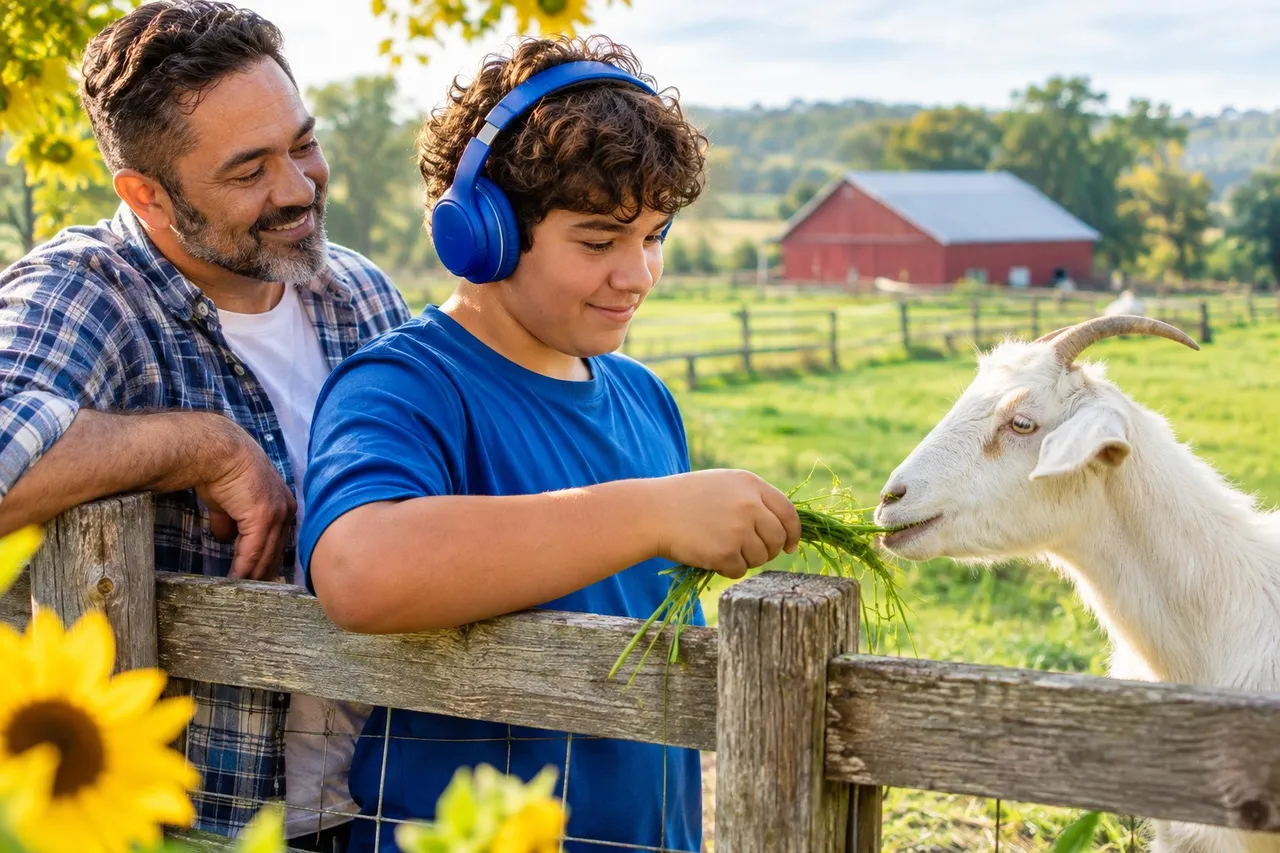
Caring for quail, rabbits and ponies, always with a guide, teaches responsibility, calm and connection.
Learning in open, safe spaces that engage the senses and let people develop freely.
Building skills that prepare people for the workplace, as part of empowering every ability.
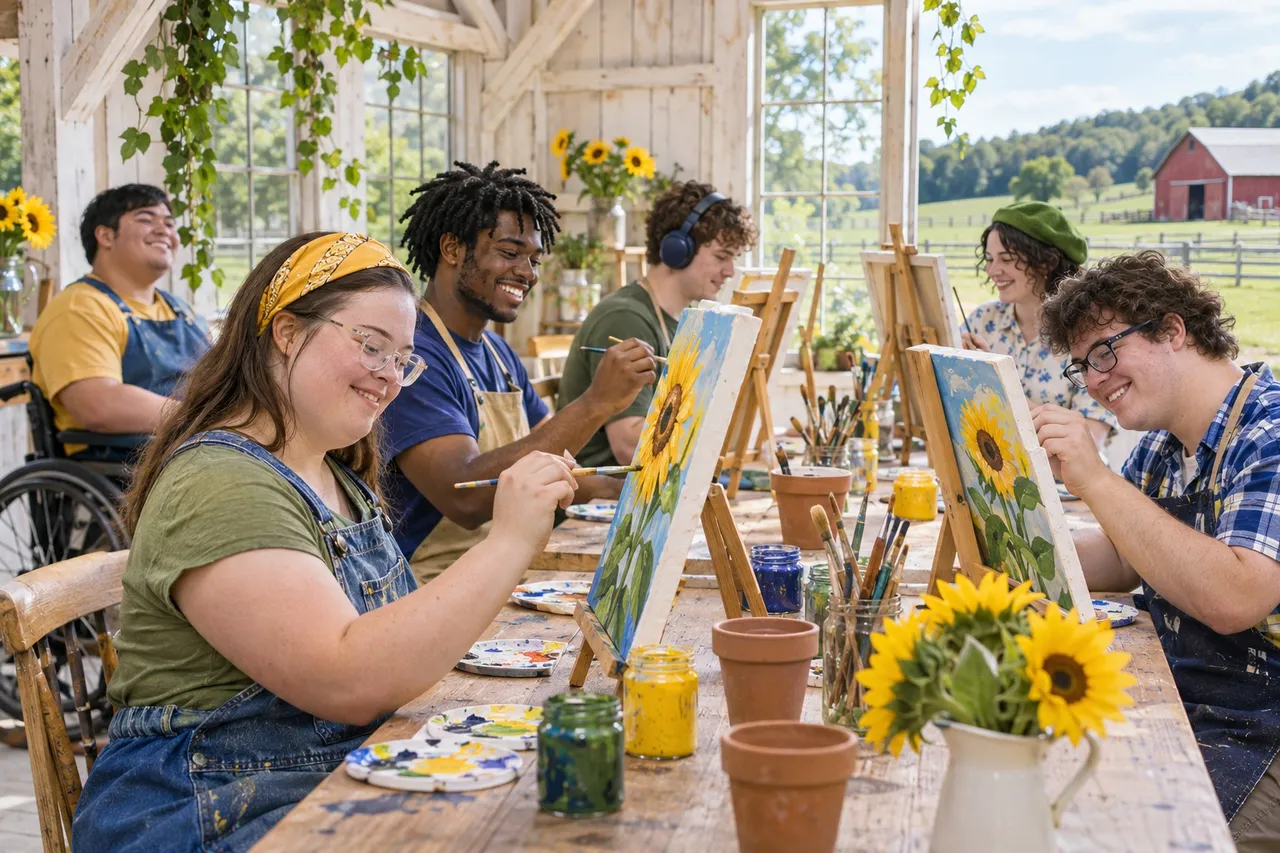
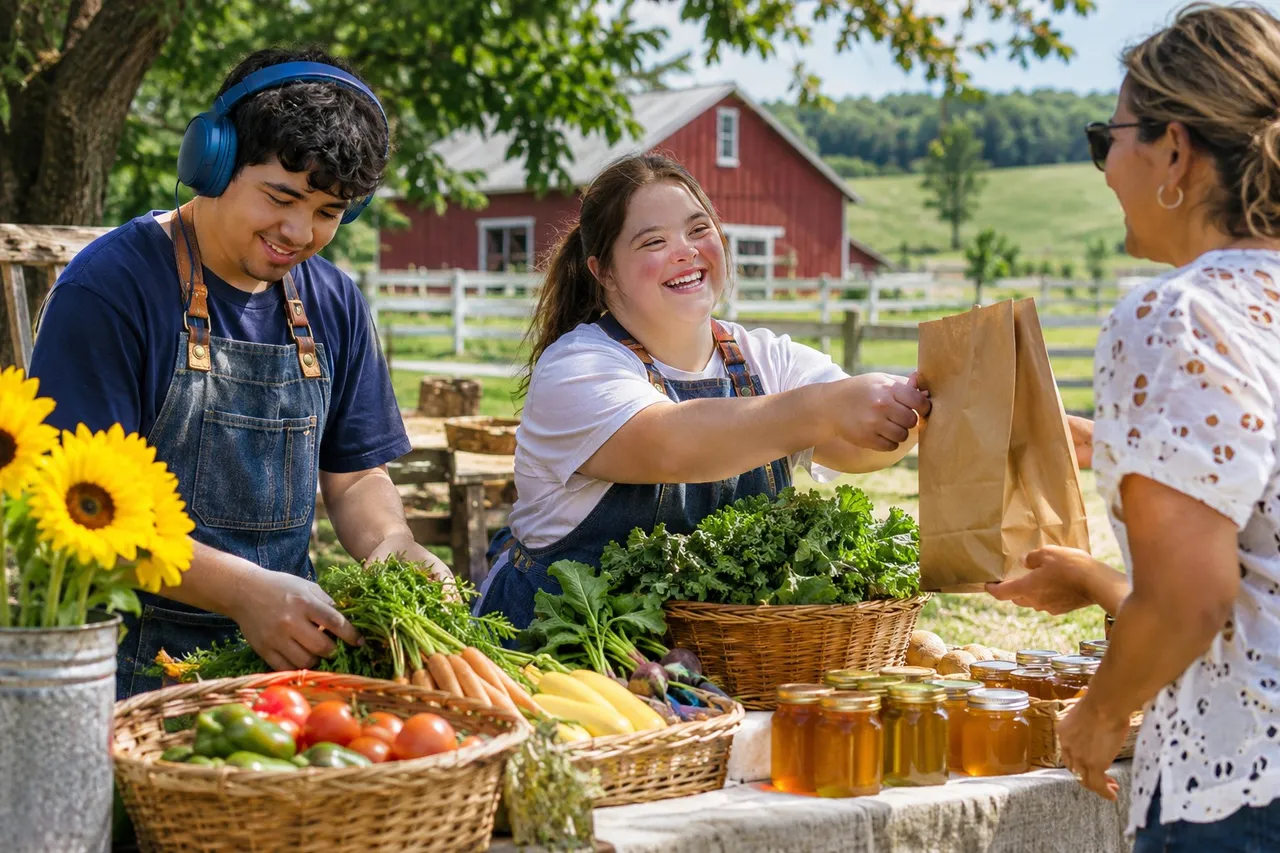
Hands in the soil: planting vegetables like broccoli and carrots. Taking part in caring for the farm gives a clear purpose and a sense of belonging.
Illustrative imageCaring for quail, rabbits and ponies, always with a guide, teaches responsibility, calm and connection.
Illustrative imageLearning in open, safe spaces that engage the senses and let people develop freely.
Illustrative imageBuilding skills that prepare people for the workplace, as part of empowering every ability.
Illustrative imageInteractive · the farm we dream of
An illustration of the farm we are raising funds to build. Touch each point to discover its space.
 Illustrative image
01 / 07
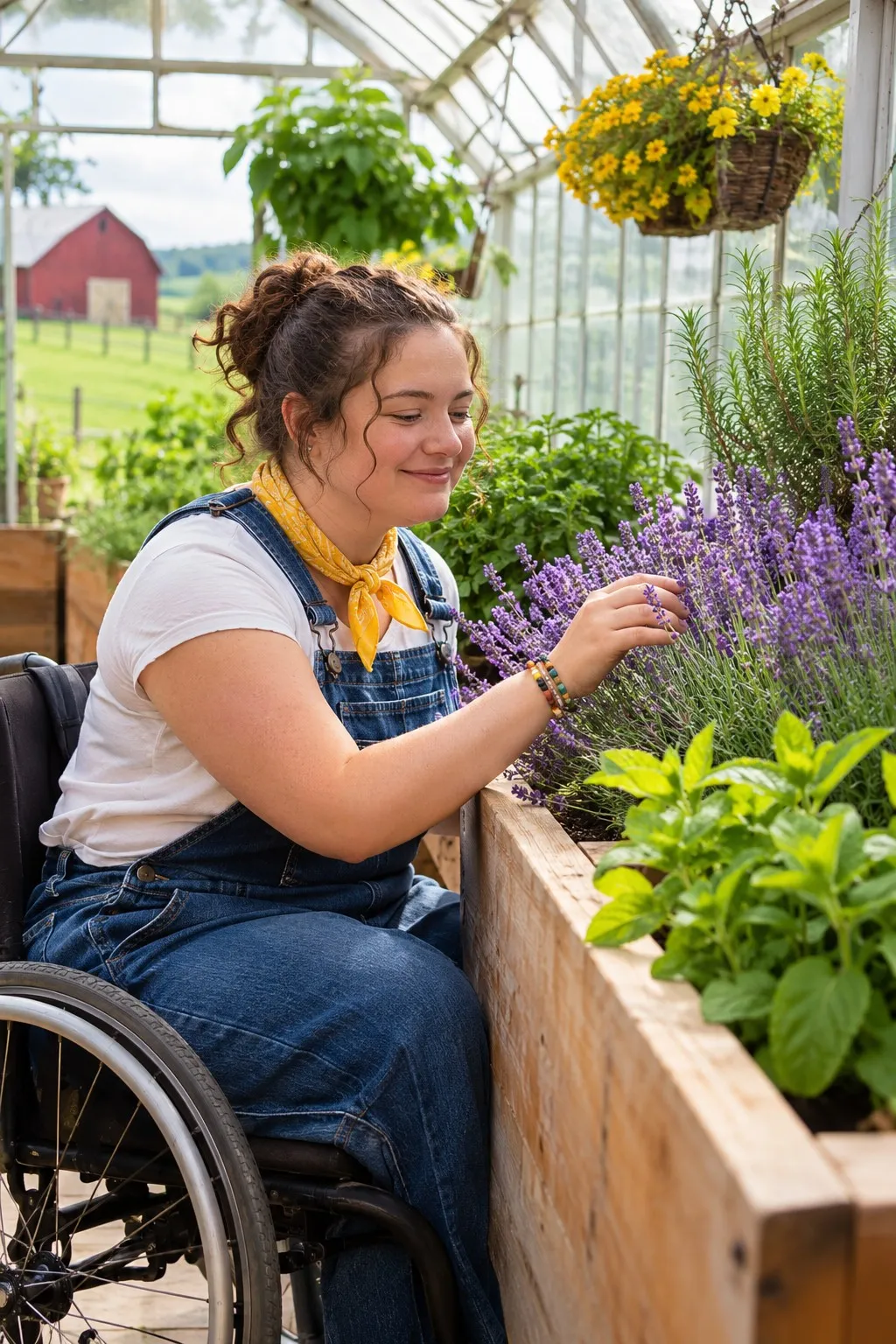
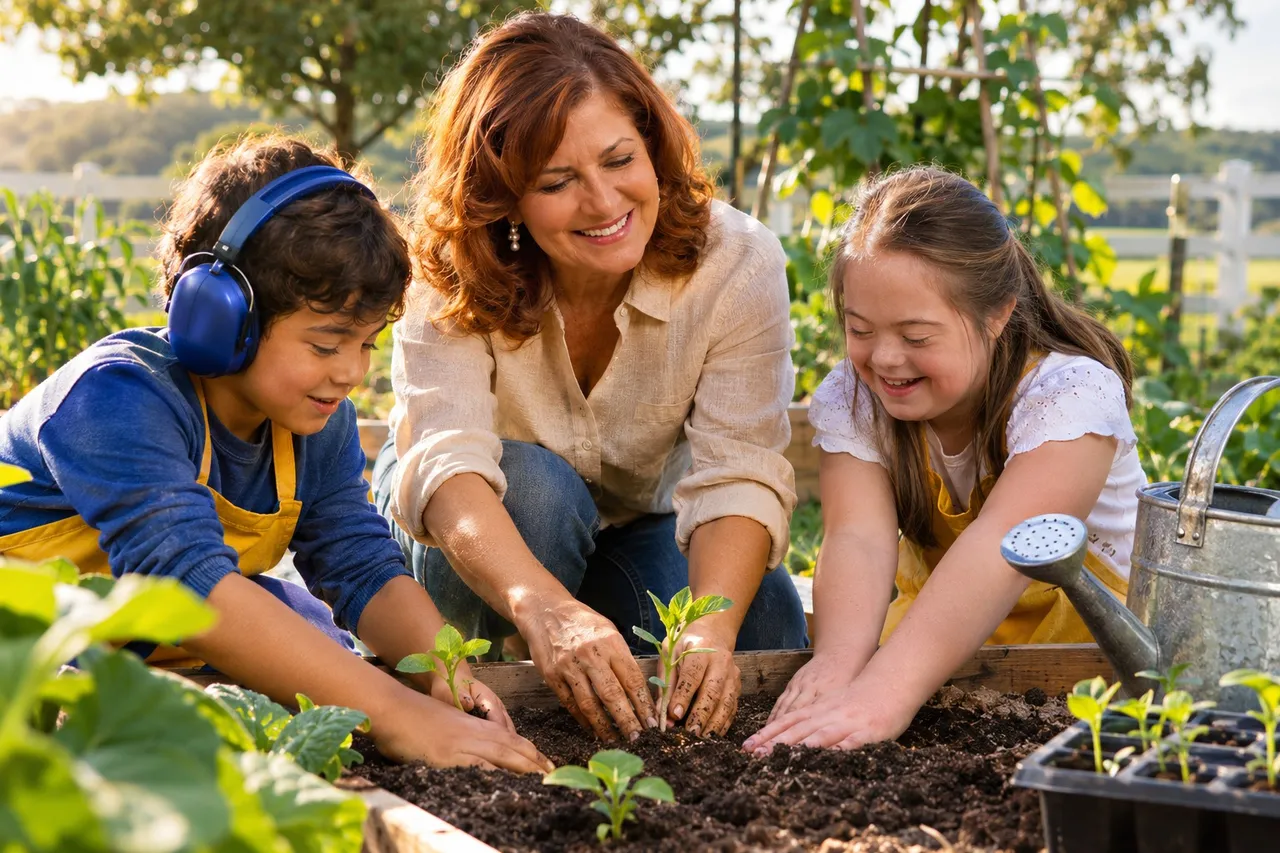
Raised wooden beds at a comfortable height, so children (and wheelchairs) can reach the soil.
02 / 07
Where seeds start in trays and herbs grow all year: a calm, predictable space.
03 / 07
Small, quiet birds and a daily routine of feeding and collecting eggs.
04 / 07
A low-fenced, shaded space to brush and feed the rabbits slowly and calmly.
05 / 07
Where children groom and walk beside the ponies, always with an instructor.
06 / 07
Welcome, restrooms and a quiet corner with soft light for breaks.
07 / 07
Wide, firm paths so everyone can move around the farm with ease.
 Illustrative image
Eva in the garden
“A dignified life is not built by forcing someone to follow someone else’s map, but by helping them recognize their own light.”
Eva Rosa Zamora · Founder
Interactive · our animals
Choose an animal to see what children will do with it and how it can help.
 Illustrative image
01 / 03
Small, calm birds with a clear daily rhythm: perfect for learning routines step by step.
Illustrative image02 / 03
Soft, quiet companions. Brushing and feeding them invites calm, slow movements and connection without words.
 Illustrative image
03 / 03
Big, warm and rhythmic. Grooming and walking beside a pony, always with an instructor, builds confidence, balance and communication.
Interactive · the therapeutic garden
Every plant in the Starlight garden was chosen for a reason: what it offers the senses, the hands and the body, and how it can support each child. Choose a goal to light up the plants that help with it, or touch a vegetable to learn more.
I want to work on…
Choose a goal to see which plants support it.
 Illustrative image
They grow tall where children can see progress every week, and they change from green to red: a clear, visual signal that it is time to harvest.
Waiting for the color to change practices patience with a predictable end. Bite-size cherry tomatoes make a gentle, no-pressure first taste.
Garden taskTransplant, tie the stems and harvest
 Illustrative image
They grow hidden under the soil, so pulling one out is a real surprise, and the seeds are tiny, ideal for precise finger work.
Pulling against the soil gives the body strong, organizing input (what occupational therapists call “heavy work”). Their crunch is a predictable texture many children enjoy.
Garden taskSow tiny seeds in a row, thin and pull
 Illustrative image
One of the fastest crops: results in a few weeks keep motivation high, and leaves can be picked again and again.
A short wait is a good first step for children still building patience. Harvesting leaf by leaf becomes a calm, repeatable routine.
Garden taskWater and harvest leaf by leaf
 Illustrative image
Its little “trees” are fun to touch, count and name, which turns a vegetable many children avoid into something familiar.
Touching, smelling and talking about a food before tasting it is a low-pressure way to get to know it.
Garden taskTransplant seedlings and care for them
 Illustrative image
Huge leaves and heavy fruit that take a whole season: carrying them together is real teamwork.
Lifting, pushing a wheelbarrow and carrying are heavy-work activities that can help some children feel more organized and calm.
Garden taskSow, water and carry the harvest
 Illustrative image
They climb trellises, so children guide the vines with careful, precise hands.
Guiding delicate vines practices fine motor control and gentle force. Cool, crunchy slices are an easy food to explore.
Garden taskGuide the vines and pick
 Illustrative image
The same plant goes from green to yellow to red: a living lesson in colors, change and naming.
Naming colors and describing changes invites communication in any form: words, signs, pictures or pointing.
Garden taskTransplant and watch them change color
 Illustrative image
They are easy to grow and can be touched and smelled without picking: rub a leaf and the scent stays on the fingers.
A familiar, pleasant scent can become a calming anchor. A small pot of mint or lavender can travel to the quiet corner.
Garden taskPlant in pots and pinch the leaves
Example list: the final variety will depend on the season and the farm’s plan.
Interactive · from seed to table
The garden cycle is itself a predictable sequence: the same steps, in the same order, every season. Touch each step to see what children practice.
 Illustrative image
Step 1 / 6
Tiny seeds into a seed tray, one per cell. Counting, pinching and placing.
Illustrative imageStep 2 / 6
Each day we look: has it sprouted? A short, predictable daily check.
Illustrative imageStep 3 / 6
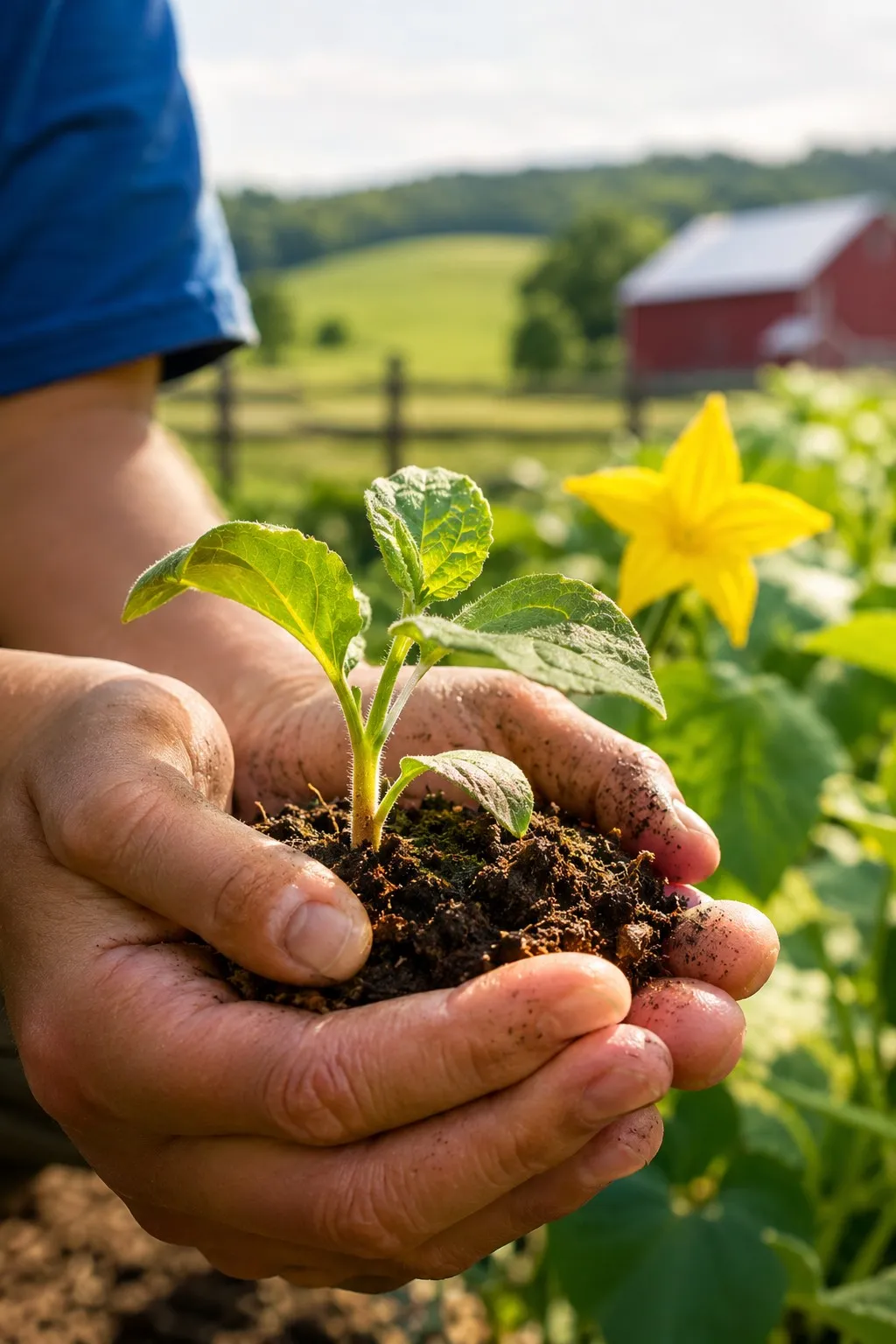
Move the seedling to the raised bed with careful hands and the soil’s texture.
 Illustrative image
Step 4 / 6
Water, carry, push the wheelbarrow: real tasks that organize the body.
 Illustrative image
Step 5 / 6
The reward: pulling, picking and discovering what grew.
 Illustrative image
Step 6 / 6
From the garden to the table, together and at each person’s pace.
Interactive · garden seasons in Missouri
Cool-season crops like lettuce, carrots and broccoli go in early spring and again for fall; warm-season crops like tomatoes, peppers, cucumbers, squash and basil go in after the last frost. Knowing what comes next is part of the routine.
Cool-season crops go in the ground; warm-season seedlings start in trays indoors.
After the last frost, warm-season crops are transplanted and the big harvests begin.
A second round of cool-season crops, and the squash and pumpkins are ready to carry.
Reference: University of Missouri Extension, Vegetable Planting Calendar (G6201); exact dates vary by region of the state.
A closer look
 Illustrative image
SmellRubbing a mint leaf
 Illustrative image
TouchSoft, silvery leaves
 Illustrative image
TasteA first cherry tomato
 Illustrative image
SightColors of the garden
Illustrative image
BodyHeavy work together
 Illustrative image
HarvestWhat we grew
Interactive · visual schedule
Many autistic children feel safer when they know what comes next. Pick up to three activities and we will turn them into a visual schedule, like the picture routines families use at home.
What research says
In a randomized trial with 127 children and teens with autism (ages 6–16), 10 weeks of therapeutic horseback riding led by trained professionals were linked to improvements in irritability, hyperactivity and social communication, compared with barn activities without horses.
Gabriels et al., J Am Acad Child Adolesc Psychiatry, 2015.
A review of 14 studies on animal-assisted activities for autism found more social interaction and communication, and less stress, when an animal was present. The authors note the studies are early and small.
O’Haire, J Autism Dev Disord, 2013.
Gardening offers many chances to practice: fine motor skills (seeds), gross motor skills (digging, carrying), following steps in order and exploring textures, colors and smells in a calm, predictable space.
KidsGardening, Gardens for Youth with ASD.
Food selectivity has been reported in 42–76% of children with autism, compared with 5–33% of other children. Sensory sensitivity may be part of the reason.
In school garden programs (with children in general, not specifically autistic children), growing vegetables improved willingness to taste them. At Starlight, tasting is always optional: touching, smelling and helping prepare a food are steps of their own.
Systematic review, Tidsskriftet for Den norske legeforening, 2024 · Cermak, Curtin & Bandini, J Am Diet Assoc, 2010 · reviews of school garden programs (Robinson-O’Brien et al., 2009).
Starlight does not offer medical treatment or promise cures. These activities complement, never replace, the therapies and professionals each child already has. Pony activities are always supervised by an instructor, and feeding goals should be discussed with each family’s health team.
Where we are · scroll to grow
Seed
 Illustrative image
Why nature
Caring for a rabbit or planting broccoli gives a clear purpose and a sense of belonging. Being with animals, touching the soil and playing in open, safe spaces lets people develop freely and engage their senses.
Starlight does not promise cures. We offer community, dignity and opportunities, alongside (never in place of) each person’s health professionals.
Scenes we dream of
 Illustrative image
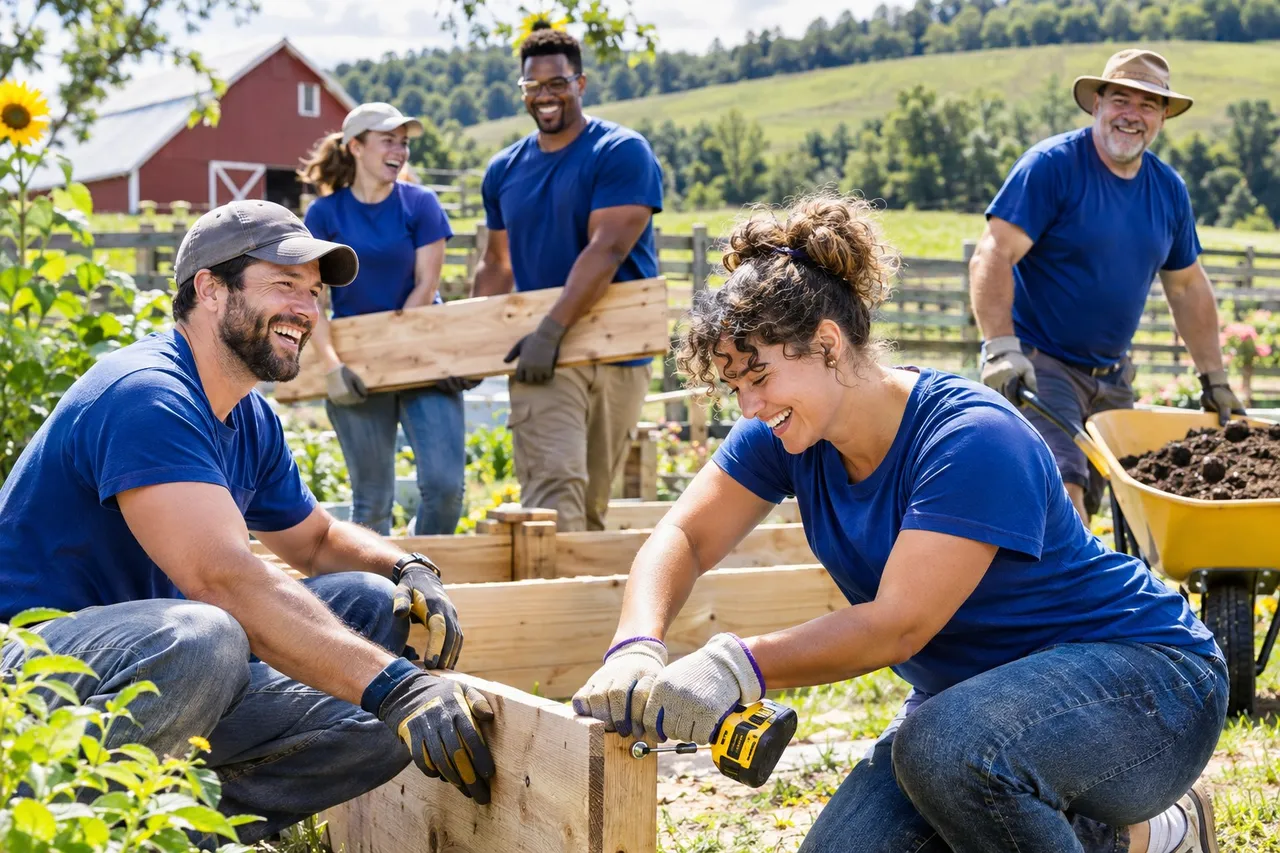
Building together
 Illustrative image
Calm encounters
 Illustrative image
Celebrating together
Illustrative image
A quiet corner
 Illustrative image
Under the stars
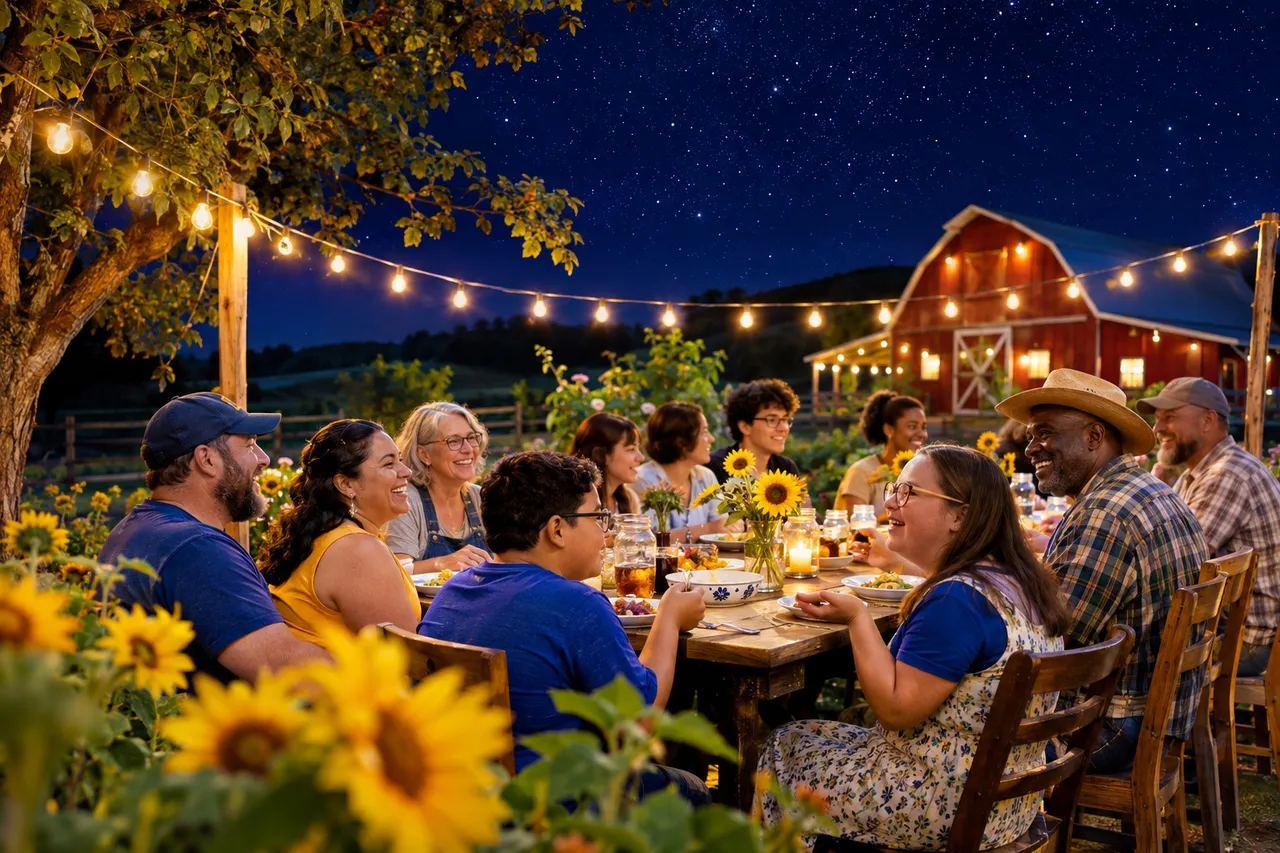
Your donation supports the mission of Starlight Farm and Garden Inc. and helps expand opportunities, resources, and community spaces.